What Is an OCT Eye Scan and Why Is It Important?
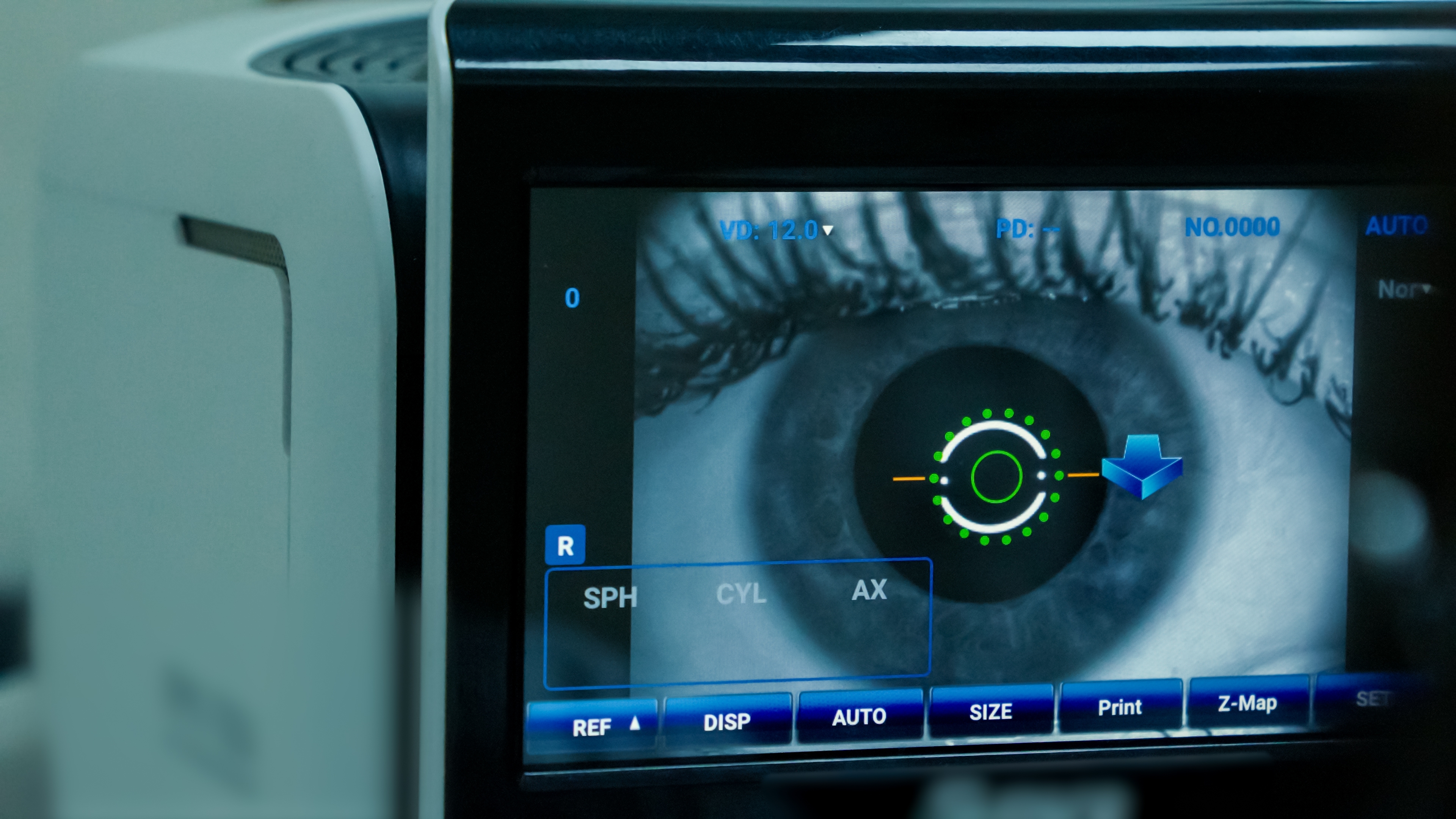
Modern eye care allows us to see far more than what is visible on the surface of the eye. An OCT eye scan is one of the advanced diagnostic tools that can help eye doctors evaluate the health of important structures inside the eye. For patients in San Juan Capistrano, OCT imaging can provide valuable information about the retina and optic nerve and may help identify changes that are not causing noticeable symptoms yet.
What Is an OCT Eye Scan?
OCT stands for optical coherence tomography. It is a non-invasive imaging test that uses light waves to create detailed, cross-sectional images of the structures at the back of the eye.
You can think of an OCT scan as allowing us to view the retina layer by layer. Rather than only looking at the surface, the scan provides detailed measurements and images that can help us evaluate retinal tissue, the macula, and the optic nerve.
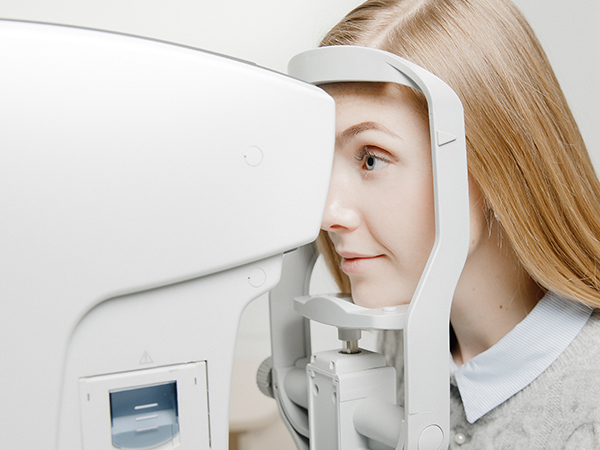
An OCT eye scan is generally quick and painless. Nothing touches the eye during the imaging process, and the scan itself usually takes only a few minutes.
What Can an OCT Scan Detect?
OCT imaging can be especially useful because certain eye diseases may begin causing structural changes before you notice changes in your vision. Depending on your eye health, symptoms, age, and risk factors, an OCT scan may help evaluate or monitor conditions such as:
• Glaucoma and changes to the optic nerve
• Macular degeneration
• Diabetic retinopathy and diabetic macular changes
• Macular swelling or fluid accumulation
• Retinal abnormalities
• Changes that develop over time in patients with existing eye conditions
Having detailed images also gives us a useful reference point. Future scans can be compared with earlier results to help determine whether the structures of your eyes are remaining stable or changing.
Why Is OCT Important for Glaucoma?
Glaucoma can gradually damage the optic nerve, often without obvious symptoms during its early stages. OCT imaging can measure the thickness of specific retinal and optic nerve structures that may be affected by glaucoma.
For patients receiving glaucoma screening or ongoing glaucoma care in San Juan Capistrano, these measurements can help eye doctors identify suspicious changes and monitor progression over time. OCT does not replace a complete eye examination or other glaucoma testing, but it can provide additional information that helps create a clearer picture of your eye health.
OCT Scans and Retinal Health
The retina plays an essential role in your ability to see clearly. Conditions affecting the macula or other areas of the retina can sometimes progress without immediately causing noticeable vision problems.
OCT imaging provides highly detailed views of these structures, making it useful when evaluating conditions such as macular degeneration and diabetic eye disease. It can also help identify swelling, thinning, or other changes that may require closer monitoring.
Do You Need an OCT Eye Scan?
We may recommend an OCT eye scan based on findings during your comprehensive eye exam, your medical or family history, existing eye conditions, or symptoms that require further evaluation. Regular eye examinations remain one of the best ways to protect your vision because they allow us to look beyond changes in your glasses or contact lens prescription and evaluate the overall health of your eyes.
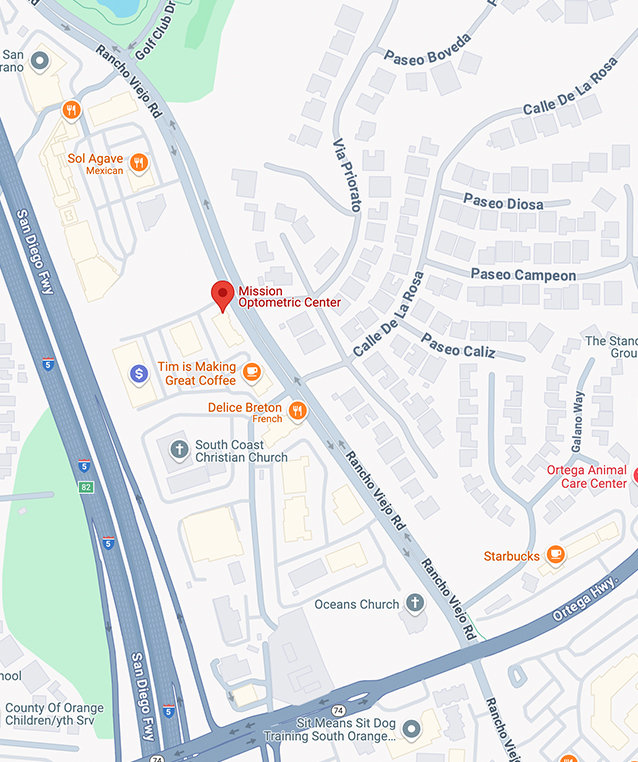
If you are due for an eye exam or want to learn more about advanced eye health evaluations, schedule an appointment with Mission Optometric Center. Contact our office in San Juan Capistrano, CA at (949) 496-0552 today.

Contact Us
Let’s keep in touch!
Contact information
Call Us:
(949) 496-0552
Office Hours
- Monday
- 8:30am - 5:00pm (closed for lunch 12:30 - 1:30 pm)
- Tuesday
- 10:30am - 7:00pm (closed for lunch 2:00 - 3:00pm)
- Wednesday
- 9:00am - 2:00pm
- Thursday
- 10:30am - 7:00pm (closed for lunch 2:00 - 3:00pm)
- Friday
- 9:30am - 5:00pm (closed for lunch 12:30 - 1:30pm)
- Saturday
- One Saturday per month (call for details)
- Sunday
- Closed
© 2026 Mission Optometric Center | All rights Reserved | Accessibility Statement | Privacy Policy | Sitemap
Powered by: