How to Tell the Difference Between Dry Eye and Eye Strain

Dry eye and eye strain are two of the most common causes of eye discomfort, especially in today’s screen-focused world. While they often produce similar symptoms, their causes and treatments are different. Learning how to tell them apart can help you know when it’s time to seek professional eye care.
What Is Dry Eye?
Dry eye occurs when your eyes don’t produce enough tears, or when the tears evaporate too quickly. Tears are essential for keeping the eyes comfortable, clear, and protected. When the tear film is unstable, the surface of the eye can become irritated and inflamed.
Common causes of dry eye include:
• Meibomian Gland Dysfunction (MGD), where the oil glands in the eyelids don’t work properly
• Aging and hormonal changes
• Certain medications
• Environmental factors such as dry air or wind
• Extended screen use that reduces blinking
Symptoms of dry eye often include:
• Burning, stinging, or gritty sensations
• Redness
•Blurry or fluctuating vision
• Watery eyes
• Discomfort that persists throughout the day
What Is Eye Strain?
Eye strain - sometimes called digital eye strain - results from overusing the eyes, particularly during close-up tasks. It’s especially common in people who spend long hours reading, working at a computer, or using digital devices.
Typical causes of eye strain include:
• Prolonged screen time
• Poor lighting or glare
• Incorrect glasses or contact lens prescriptions
• Holding screens too close or too far away
Symptoms of eye strain may include:
• Tired or aching eyes
• Headaches
• Difficulty focusing
• Sensitivity to light
• Eye discomfort that improves with rest
Why Dry Eye and Eye Strain Can Feel So Similar
Dry eye and eye strain often overlap because they share several triggers - especially screen use. When you stare at a screen, your blink rate decreases, which can worsen tear evaporation and contribute to dry eye symptoms. At the same time, the eye muscles are working harder to maintain focus, leading to strain.
Because of this overlap, it’s common for patients to assume they have one condition when they actually have both - or when dry eye is the underlying issue that makes eye strain worse.
Why an Eye Doctor Evaluation Matters
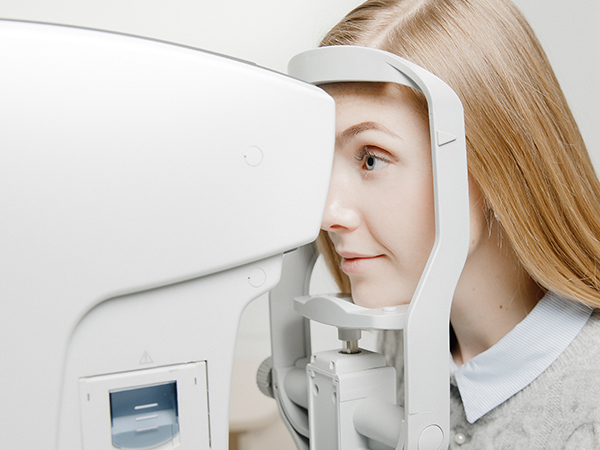
Since dry eye and eye strain can mimic each other, a comprehensive eye evaluation is the best way to get clarity. At Mission Optometric Center, we look beyond symptoms to identify the root cause of your discomfort.
An in-office evaluation may include:
• Assessing tear quality and quantity
• Checking for Meibomian Gland Dysfunction (MGD)
• Evaluating your vision and current prescription
• Reviewing lifestyle factors such as screen use and work habits
From there, we can create a personalized treatment plan. For dry eye, this may include advanced treatment options designed to improve gland function, reduce inflammation, and stabilize the tear film. For eye strain, solutions may involve prescription updates, specialized lenses, or ergonomic and visual habit recommendations.
Get to the Root of Your Eye Discomfort at Mission Optometric Center
While dry eye and eye strain share many symptoms, they are not the same condition. Ongoing irritation, burning, or fluctuating vision may point to dry eye, while discomfort that improves with breaks may be related to eye strain. Because these issues frequently overlap, a professional evaluation is essential for accurate diagnosis and effective relief.
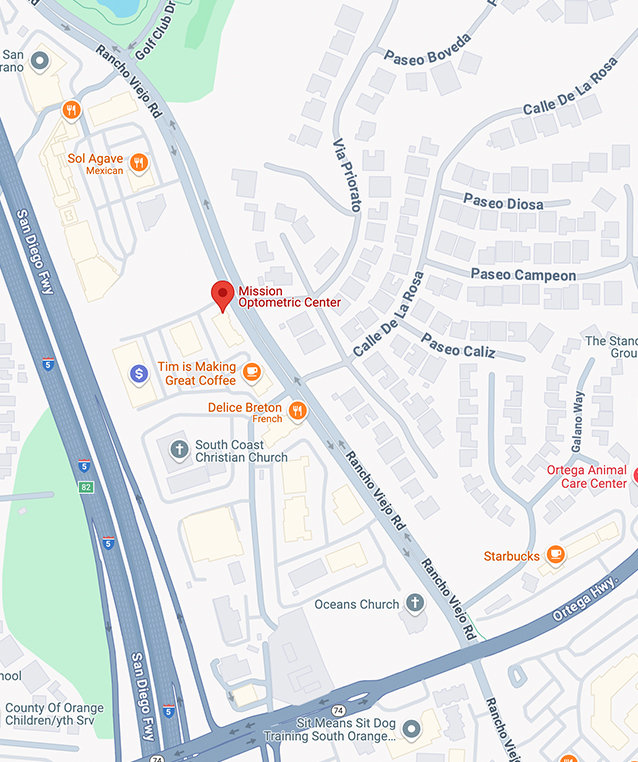
If your eyes feel tired, dry, or uncomfortable, schedule a comprehensive eye exam at Mission Optometric Center today. We can identifying the source of your symptoms and providing advanced, personalized solutions to help you see and feel your best. Visit our office in San Juan Capistrano, California, or call (949) 496-0552 to book an appointment today.

Contact Us
Let’s keep in touch!
Contact information
Call Us:
(949) 496-0552
Office Hours
- Monday
- 8:30am - 5:00pm (closed for lunch 12:30 - 1:30 pm)
- Tuesday
- 10:30am - 7:00pm (closed for lunch 2:00 - 3:00pm)
- Wednesday
- 9:00am - 2:00pm
- Thursday
- 10:30am - 7:00pm (closed for lunch 2:00 - 3:00pm)
- Friday
- 9:30am - 5:00pm (closed for lunch 12:30 - 1:30pm)
- Saturday
- One Saturday per month (call for details)
- Sunday
- Closed
© 2026 Mission Optometric Center | All rights Reserved | Accessibility Statement | Privacy Policy | Sitemap
Powered by: