How Scleral Lenses Help Patients With Hard-to-Fit Eyes
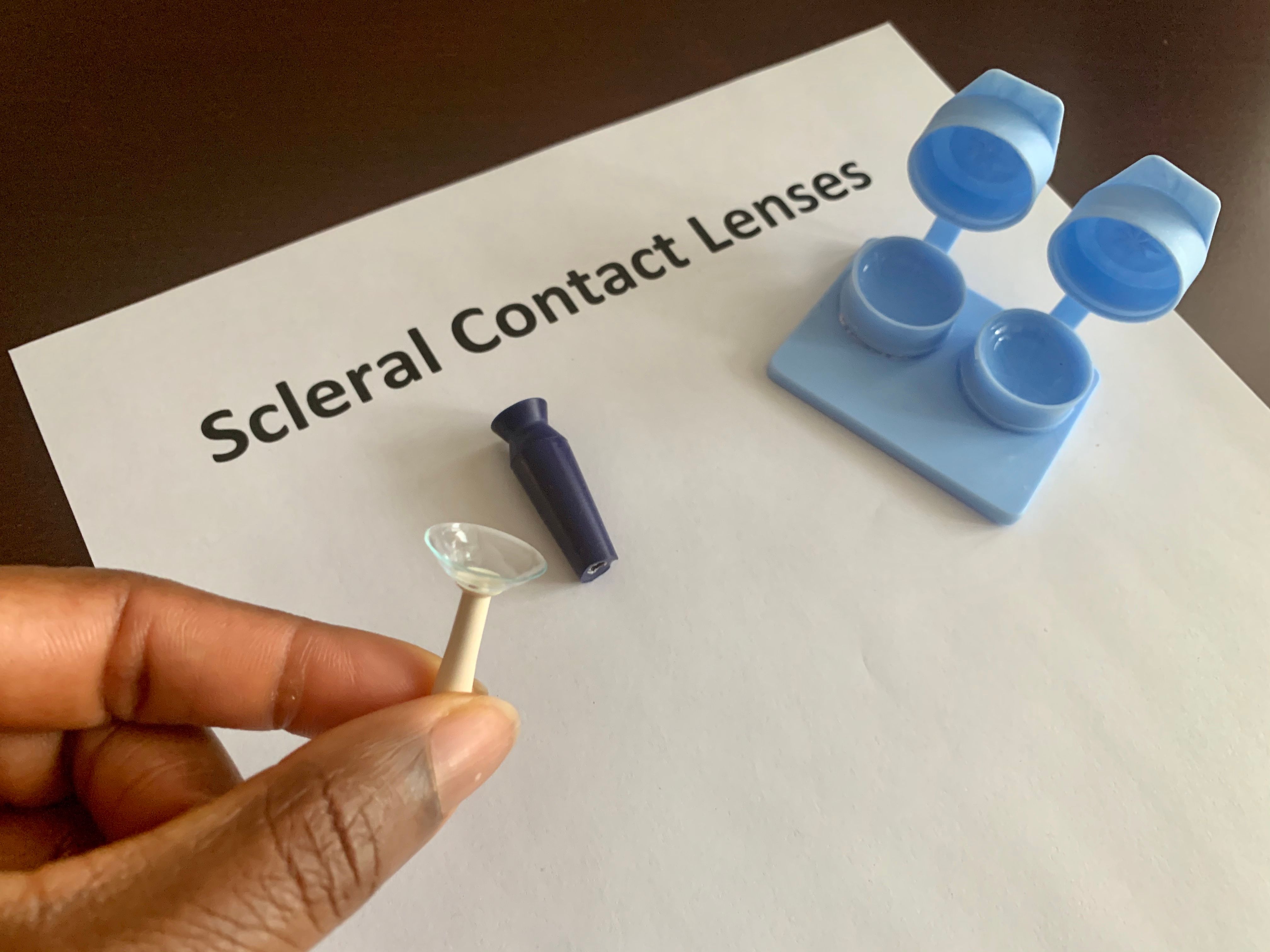
Some eyes do not respond well to standard contact lenses. Vision may blur as the lens shifts, comfort may drop off quickly, or dryness may make wear time unpredictable. These issues are common with hard-to-fit eyes, including irregular corneas, higher prescriptions, and eyes that feel easily irritated. Scleral lenses are designed for these challenging situations and can help many patients achieve clearer, more stable vision.
What Scleral Lenses Are and How They Work
Scleral lenses are larger specialty contacts that sit on the sclera, the firm white portion of the eye. Instead of touching the cornea, the lens spans over it and creates a space that is filled with sterile saline at insertion. That liquid cushion smooths out corneal irregularities and supports the surface of the eye, which is one reason scleral lenses are often both high-performing and comfortable.
Because the lens is broader and more secure, it typically stays centered and steady. This can reduce fluctuating vision during the day and can feel more stable than smaller contact lens designs, especially for patients whose eyes have unique shapes or sensitivity.
Common Reasons Patients Are Considered “Hard to Fit”
Hard-to-fit eyes are not one single condition. It is a broad category that includes eyes where typical lenses do not align well or do not stay comfortable. Scleral lenses are often considered when patients have:
· Keratoconus or corneal thinning conditions
· Irregular corneas after eye surgery or injury
· Significant or irregular astigmatism
· Ocular surface dryness that limits contact lens wear
· Corneal scarring or uneven curvature that affects clarity
How Scleral Lenses Can Improve Vision Quality
Many vision problems tied to hard-to-fit eyes come from an uneven corneal surface. Glasses can only correct so much when the front of the eye is irregular. Scleral lenses can help by creating a more uniform optical surface, which may lead to sharper detail, better night vision, and less distortion.
Another advantage is consistency. A lens that stays centered can provide steadier focus during tasks like driving, reading, or working on screens. For patients who have tried multiple lens types without success, this steadiness can be a major change in daily comfort and confidence.
Comfort Benefits for Dry or Sensitive Eyes
Dryness is one of the most common reasons contact lenses fail. The fluid reservoir beneath a scleral lens can help protect the cornea from exposure and friction. Patients who struggle with burning, gritty sensations, or end-of-day contact discomfort may notice longer, more comfortable wear time with a properly fitted scleral lens.
Comfort still depends on fit, care routine, and overall eye health, which is why a specialty evaluation matters. The goal is not only clearer vision, but also maintaining a healthy ocular surface.
What to Expect During a Scleral Lens Fitting
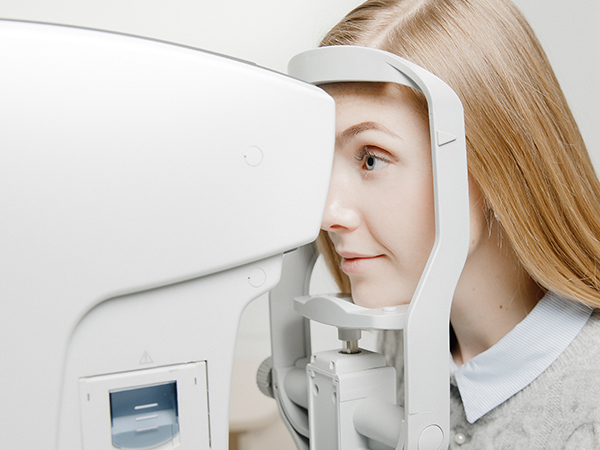
Scleral lenses are customized, so the process usually involves more detail than a typical contact lens exam. Your optometrist will evaluate your cornea, measure shape and curvature, and assess tear film and surface health. A trial lens may be used to confirm alignment and comfort before finalizing the prescription. Follow-up visits allow fine-tuning so the lens supports clear vision without putting unnecessary pressure on the eye.
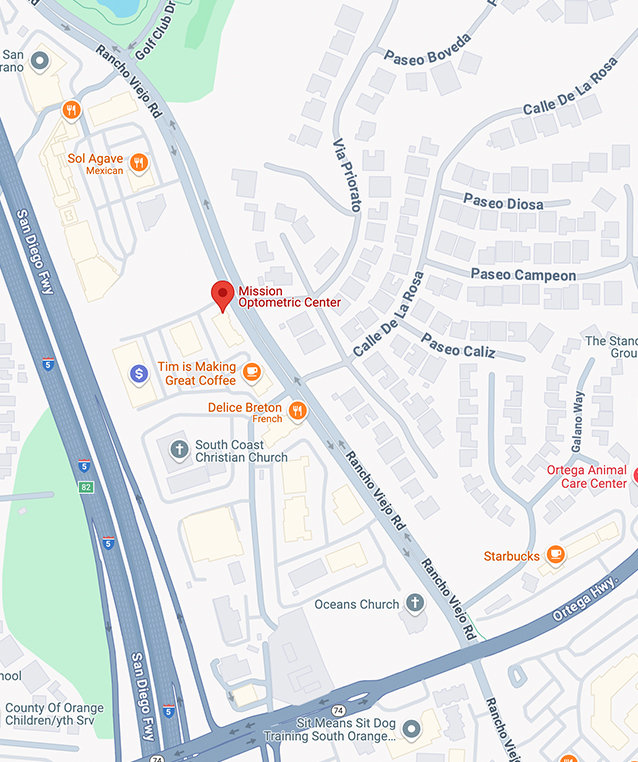
Contact Mission Optometric Center to schedule a scleral lens evaluation for hard-to-fit eyes. Visit our office in San Juan Capistrano, California, or call (949) 496-0552 to book an appointment today.

Contact Us
Let’s keep in touch!
Contact information
Call Us:
(949) 496-0552
Office Hours
- Monday
- 8:30am - 5:00pm (closed for lunch 12:30 - 1:30 pm)
- Tuesday
- 10:30am - 7:00pm (closed for lunch 2:00 - 3:00pm)
- Wednesday
- 9:00am - 2:00pm
- Thursday
- 10:30am - 7:00pm (closed for lunch 2:00 - 3:00pm)
- Friday
- 9:30am - 5:00pm (closed for lunch 12:30 - 1:30pm)
- Saturday
- One Saturday per month (call for details)
- Sunday
- Closed
© 2026 Mission Optometric Center | All rights Reserved | Accessibility Statement | Privacy Policy | Sitemap
Powered by: